

Changing Expectations of Independence in Older Age Through Home Care Support
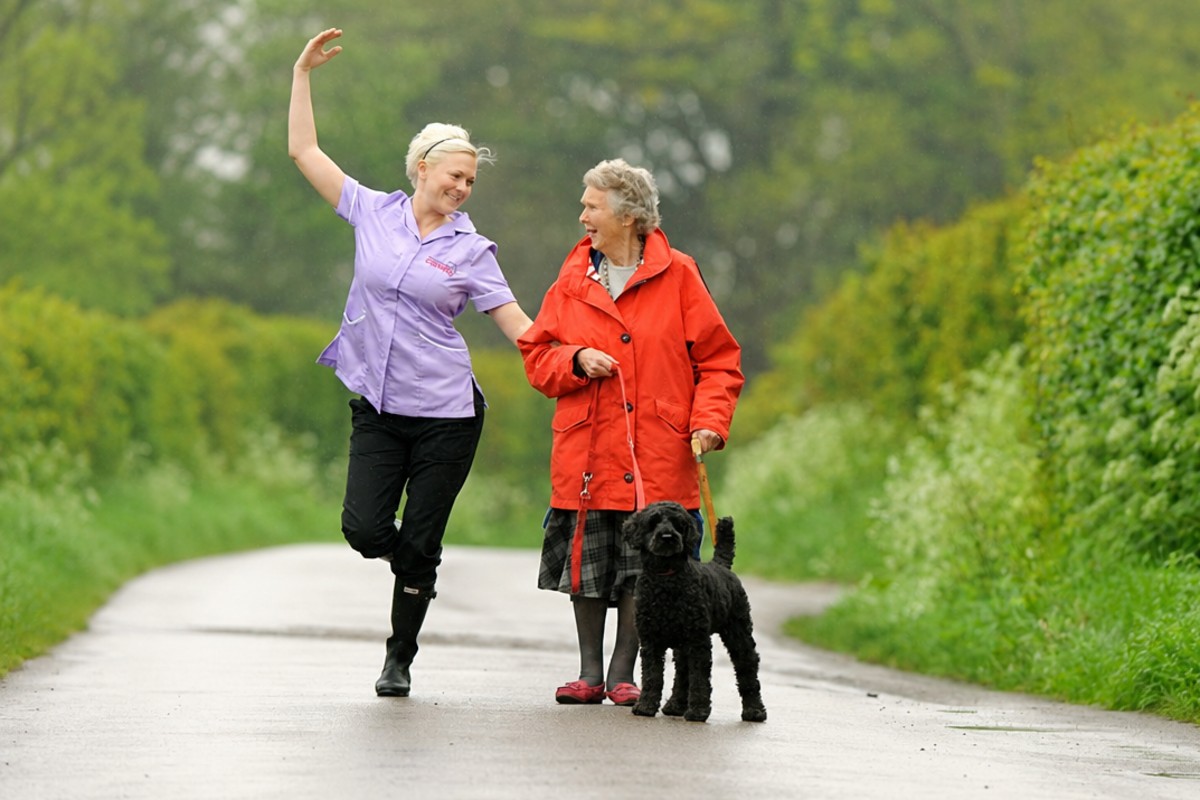
Empowering Independence Through Quality Home Care

Home care is helping more older adults stay independent in their own homes through personalised support
CHICHESTER, UNITED KINGDOM, July 28, 2026 /EINPresswire.com/ -- In recent years, perceptions of what later life means have changed dramatically, without the automatic assumption that growing older means moving into a residential care home and giving up autonomy, routines, and community connections.Instead, older people and their loved ones are more likely to consider flexible, personalised ways to balance their right to to make their own choices with the need for practical and compassionate support, enabling adults to continue living in their much-loved homes indefinitely, with help to stay safe, well, and happy.
Guardian Angel Carers, a highly experienced home care services provider, has seen first-hand how person-centred support helps clients maintain confidence, be in charge of their own schedules, and enjoy peace of mind, without needing to consider relocating to a group care setting.
How Home Care Supports Care Recipients' Right to Independence
Modern at-home care doesn’t mean that carers take over every task or make decisions on behalf of their clients.
That’s because good home care is all about ensuring older adults, or those with physical disabilities or medical conditions, are able to decide what to do, what they’d like to eat, or who they’d like to visit, while receiving extra support with day-to-day activities. This is also something that many care recipients are very capable of doing.
A majority of people who require care, including individuals with complex care needs, enjoy active, involved lives in their communities and relationships. However, they may need practical help with physically demanding chores such as preparing meals, laundry, shopping, housekeeping, or benefit from reminders to take medications.
In short, care is designed to make it easier for people to continue living the lives they want in the homes they love.
The big shift has been toward creating tailored care plans and dedicated care support that enable care recipients to continue doing the things that matter most to them, whether meeting friends, being part of clubs and groups, spending time with family, or enjoying pastimes like gardening.
Choice and control are vital, because excellent care is based on what the person wants and needs, not a universal care plan that might not suit their preferences. Home care is well positioned to provide this flexibility because care adapts to changing needs, whether through more or fewer visiting hours, more frequent care schedules, or a more involved care structure, such as live-in or overnight care.
Home care arrangements therefore look very different depending on the person’s needs. Some care recipients might like occasional visits to help with domiciliary tasks, while others may need regular support following an illness or hospital stay. Regardless, care plans are built around their routines and wishes, ensuring each person retains control over the everyday decisions that are so important to emotional wellbeing.
The Holistic Aspects of Home-Based Care Beyond the Practicalities
Home care concentrates on protecting each person’s quality of life, which isn’t just about physical activities. Carers focus on ensuring that the people they care for are confident in voicing their wishes, comfortable with their routines, and able to maintain social connections and friendships.
This is hugely important, because many of the emotional and mental health challenges associated with ageing, which can include serious issues such as anxiety, fearfulness and depression, stem from isolation and loneliness, and can be prevented with the right level of support.
For many older adults who live alone and might need help getting out and about, regular care visits are reassuring. Each person knows they will have a friendly person to chat with, watch their favourite series with, or simply lend a listening ear while providing practical support.
Companionship Care as an Alternative Home Care Service
At-home care can be designed primarily around companionship care or be equal parts domiciliary care alongside emotional support. For families who aren’t able to visit as often as they would like, or who have limited time to spend with an older loved one due to other commitments, this can provide enormous peace of mind knowing their relative isn’t alone for long periods.
Carers can encourage participation in activities, accompany care recipients on shopping trips or family visits, or help maintain links with friendship groups, as just a few examples.
In many cases, this involves collaborating with loved ones and other healthcare professionals involved in a person’s care. Working together in this way ensures that support is consistent as needs change and that older people can continue to live safely at home.
This is the crux of good care: listening to the needs and wishes of the individual, giving them the time and space to decide how they’d like to spend each day, and protecting choice while safeguarding an older person’s wellbeing, keeping up with detailed care plans, and offering the kind of support they are happy to receive.
How Perceptions of Older Age Have Changed
Attitudes towards later life have undoubtedly changed significantly, as life expectancies continue to grow, people are socially connected and well beyond retirement age, and people expect to remain active.
Advancements in home care have made this increasingly achievable, with support that can be structured in any way that best meets the needs of the person and their family members.
Whilst residential care may be the right option in some cases, such as where a person cannot live safely at home due to a more advanced or complex health condition or where they require 24/7 medical assistance, this can also, in some circumstances, be organised at home, with specialist home care services like live-in care.
However, the difference is that care homes aren’t seen as the inevitable next step when an older person needs support, and that customised home care can offer the practical and emotional assistance many need to keep living in familiar surroundings.
Better awareness of alternative types of care, easier access to information about how care support can work or be structured, and advanced care tech, which can mitigate fall risks or raise alerts when there is a potential concern, have all played a part in helping more older adults make their own choices about how, and essentially, where they want to be cared for.
About Guardian Angel Carers
Guardian Angel Carers is a leading home care provider dedicated to delivering compassionate, personalised care services. With a strong focus on independence, dignity, and quality of life, the company supports individuals in the comfort of their own homes, offering a range of services from companionship to complex care needs.
Vikki Craig-Vickers
Guardian Angel Carers
email us here
Visit us on social media:
LinkedIn
Instagram
Facebook
Legal Disclaimer:
EIN Presswire provides this news content "as is" without warranty of any kind. We do not accept any responsibility or liability for the accuracy, content, images, videos, licenses, completeness, legality, or reliability of the information contained in this article. If you have any complaints or copyright issues related to this article, kindly contact the author above.
